


Choosing storage
Indoor vs outdoor: Indoor storage (garage, dedicated storage unit) protects from weather, sunlight, rodents, and theft. Outdoor storage is cheaper but needs full-weather protection (quality car cover, secure parking, elevated surface).
Climate control: For classics and cars with leather, wood, or sensitive electronics, climate-controlled storage reduces humidity-related corrosion, mildew, and interior damage.
Security: Look for gated or monitored facilities, on-site staff, alarmed units, motion lighting, CCTV, and restricted access. For home storage, add locks, alarms, and good lighting.
Location and access: Close-by storage simplifies routine checks and maintenance. If you won’t visit often, choose a facility offering vehicle checks and starter services.
Preparing a car for storage
Clean inside and out: Remove dirt, salt, and food debris; vacuum and use deodorizers. A clean car reduces corrosion and pest attraction.
Fluid maintenance:
Fill fuel tank and add stabilizer to prevent condensation and ethanol-related issues.
Change oil and filter if storing more than a few months; used oil contains contaminants that can harm the engine.
Top off coolant and brake fluid; inspect for leaks.
Battery care:
For short-term (under 1 month): Disconnect negative terminal.
For 1–12 months: Use a maintainer/trickle charger to keep battery healthy.
For long-term: Remove and store battery in a cool, dry place, or use a smart charger.
Tires and suspension:
Inflate tires to recommended pressure to avoid flat spotting.
For long-term storage, jack the car onto stands to relieve weight from tires and suspension.
Protect openings: Use breathable covers on exhaust tips and intake openings to deter rodents and moisture; seal gaps where feasible without trapping moisture.
Cover: Use a breathable, fitted car cover for indoor storage; for outdoor, use a heavy-duty, weatherproof cover with anti-scratch inner lining.
Rodent prevention: Place traps or deterrents around the vehicle, remove food sources, and use rodent-proofing sprays or mesh where gaps exist.
Documentation and insurance: Photograph the vehicle, note mileage, record mechanical condition, update insurance and storage coverage, and leave contact/keys with the facility if required.
Routine checks during storage
Monthly: Start the car (or run it with fuel stabilizer precautions) for 10–15 minutes and let it reach operating temperature, or at minimum use a battery charger. Check for leaks, tire condition, pests, and security.
Every 3–6 months: Move the car slightly to change tire contact patches and lubricate moving parts (door hinges, latches).
After long storage: Before driving, inspect brakes, tires, belts, hoses, fluids, and fuel quality. Replace fuel if it’s gone bad and bleed brakes if needed.
Special notes for classics and project cars
Original parts: Store delicate trim, carburetors, and chrome separately in labeled boxes with protective wrap.
Carburetors and fuel systems: For older cars, drain fuel or fog the engine cylinders and protect carburetors from varnish using stabilizer or removal and storage.
Soft tops and leather: Condition leather and vinyl before storage; store soft tops partially unzipped with supports to prevent creasing.
Electrical systems: Consider removing fuses or relays for non-essential circuits to reduce parasitic draw and risk of shorting.
Transport and delivery
Use a reputable enclosed hauler for valuable classics. Confirm insurance levels and secure tie-down points to avoid stress on suspension or chassis.
For short moves, use a flatbed or trailer to minimize wear.
Climate-specific tips (Tampa Bay area)
High humidity and salt air accelerate corrosion: favor climate-controlled indoor storage and use anti-corrosion sprays on vulnerable metal surfaces.
Pest control is important: Florida rodents and insects are active year-round — seal gaps and check often.
Salt from marine environments: Wash the underside before storage and apply rust-preventive coatings if needed.
Checklist to print
Clean car inside/out
Top off fluids; add fuel stabilizer
Change oil (if >3 months)
Remove or maintain battery
Inflate tires / use stands
Protect openings; apply rodent deterrents
Cover appropriately (breathable indoor, heavy-duty outdoor)
Document condition and update insurance
Schedule monthly checks and exercise plan
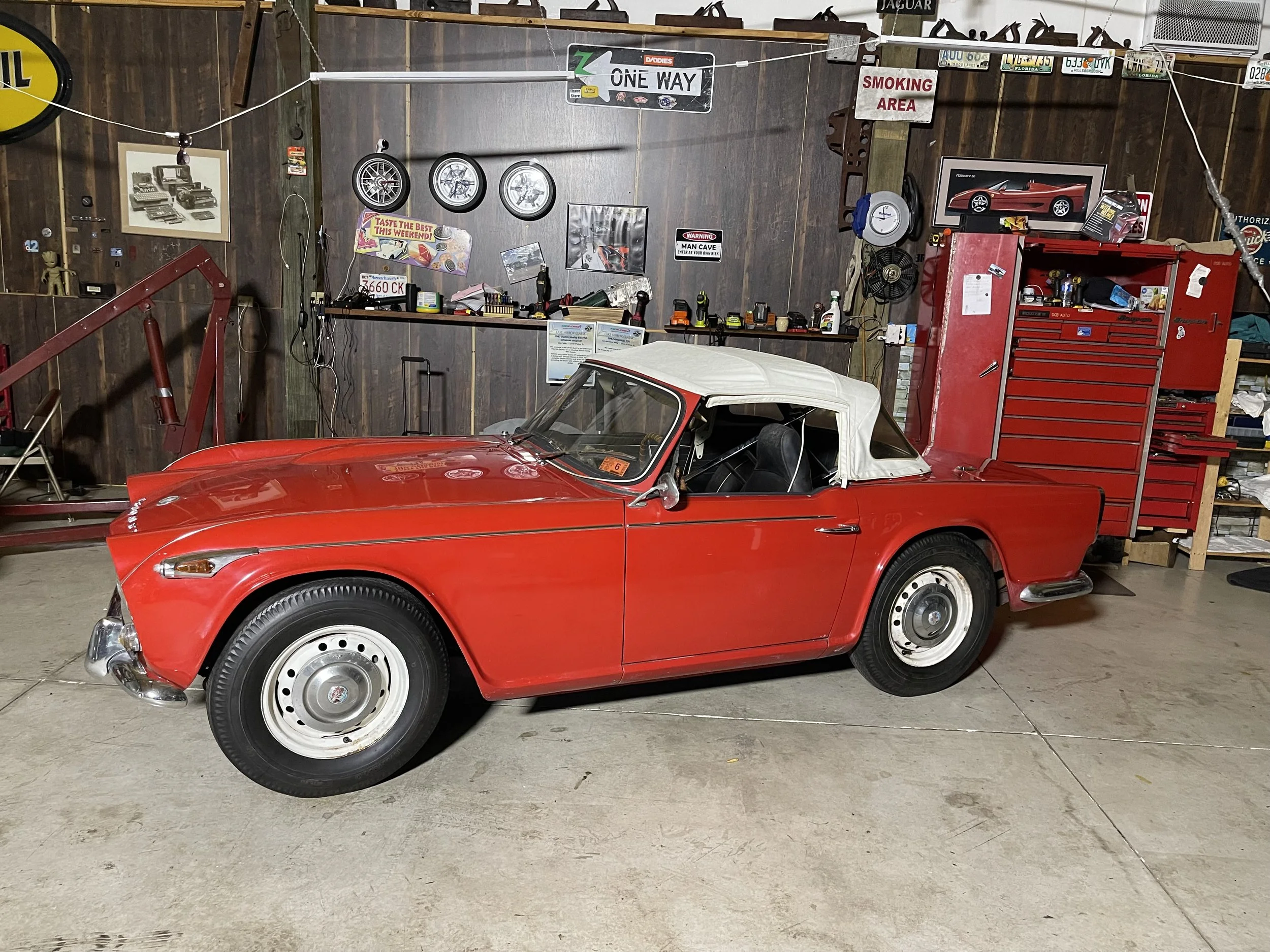
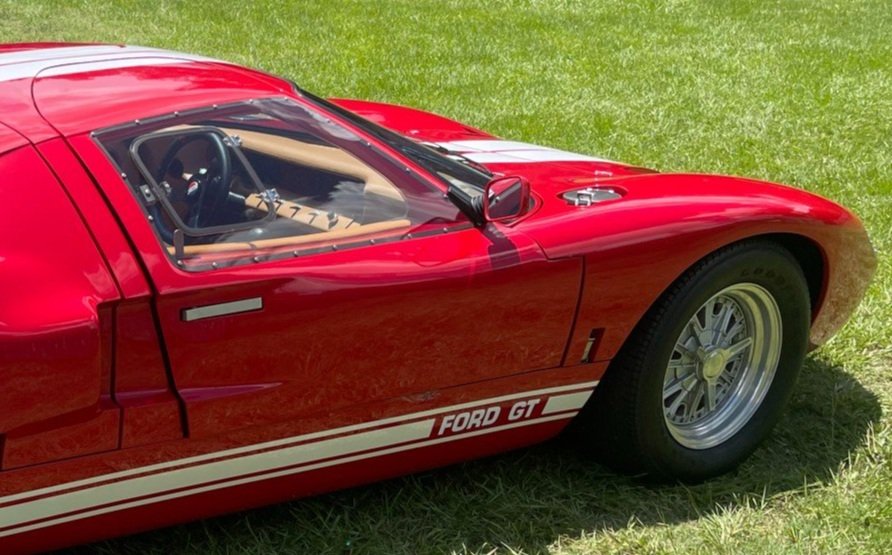
Need in-person storage, project planning, or prep help? Sparrow British Auto handles classic car winterization, long-term storage prep, and secure indoor parking in the Tampa Bay area. Our mechanic-on-duty can prepare your car to store safely and return it readyjects, Parts, and Service page. We service many classic cars. Browse through some really cool rides below.
Sparrow British Auto, a name closely associated with elegance and craftsmanship in the Tampa Bay Area, has been driving the industry forward for decades. With a rich heritage dating back to 1986, our commitment to excellence has never wavered. Our testament to the passion and skill of our dedicated team. From the timeless designs to the cutting-edge technology infused within, Sparrow British Auto continues to service these great classics of automotive history. Whether it's the exhilarating performance of sports cars or the refined service of customers sedans, customers vehicles embody the essence of British engineering. Experience the artistry of Sparrow British Auto and embrace the thrill of driving perfection.
Cars for sale by owner are featured on the Classic Cars Sales Page.
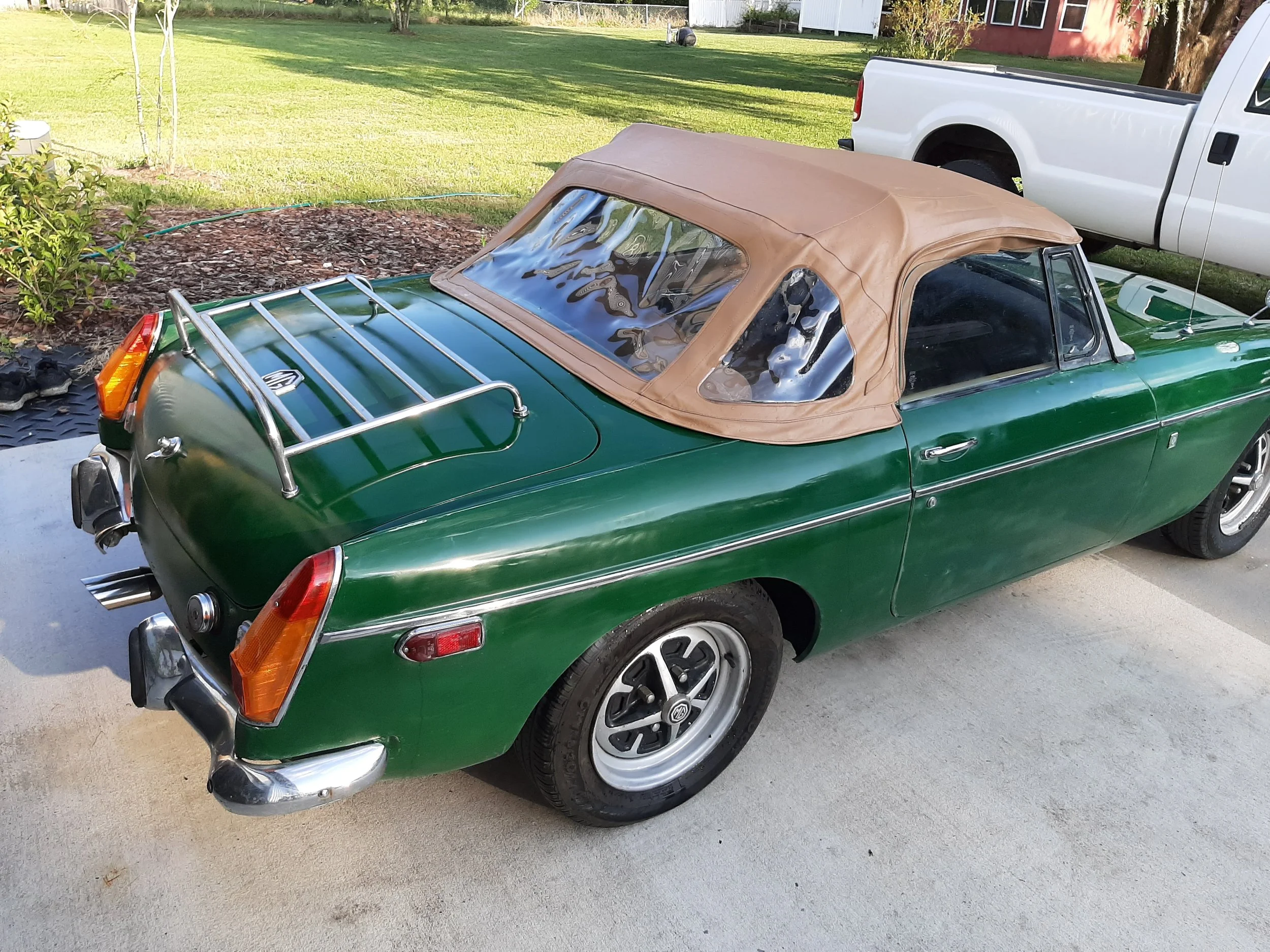
The car everyone is looking for, in great mechanical shape, with beneficial upgrades. We are making more improvements please check back as we will be making updates to this great classic car.
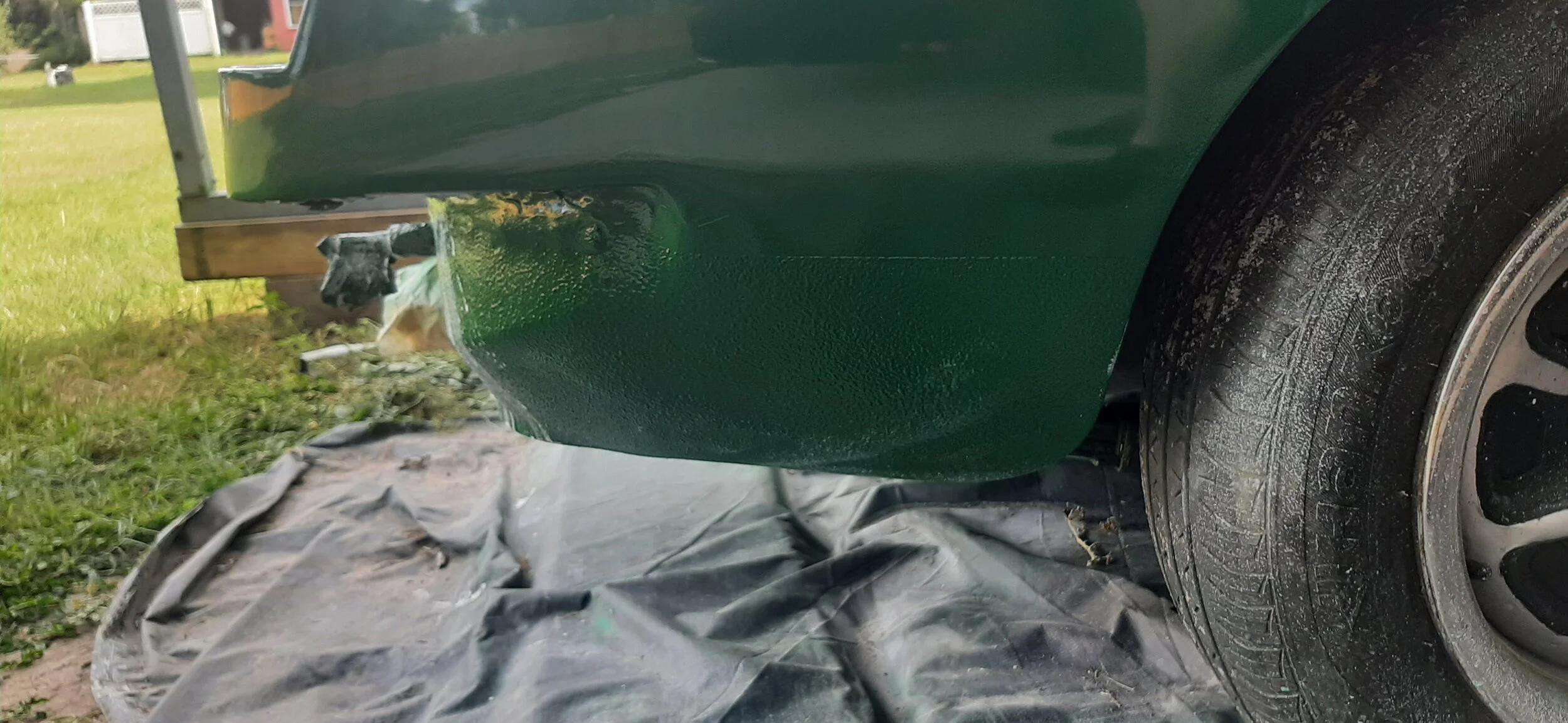
Just back from the Paintshop
Fabulous New Paintwork
Reassembly in Progress
Other Highlights:
Weber Carb
Headers
Sport Exhaust
Steering Wheel Upgrade
Nice Interior
New Robins Top from Moss®
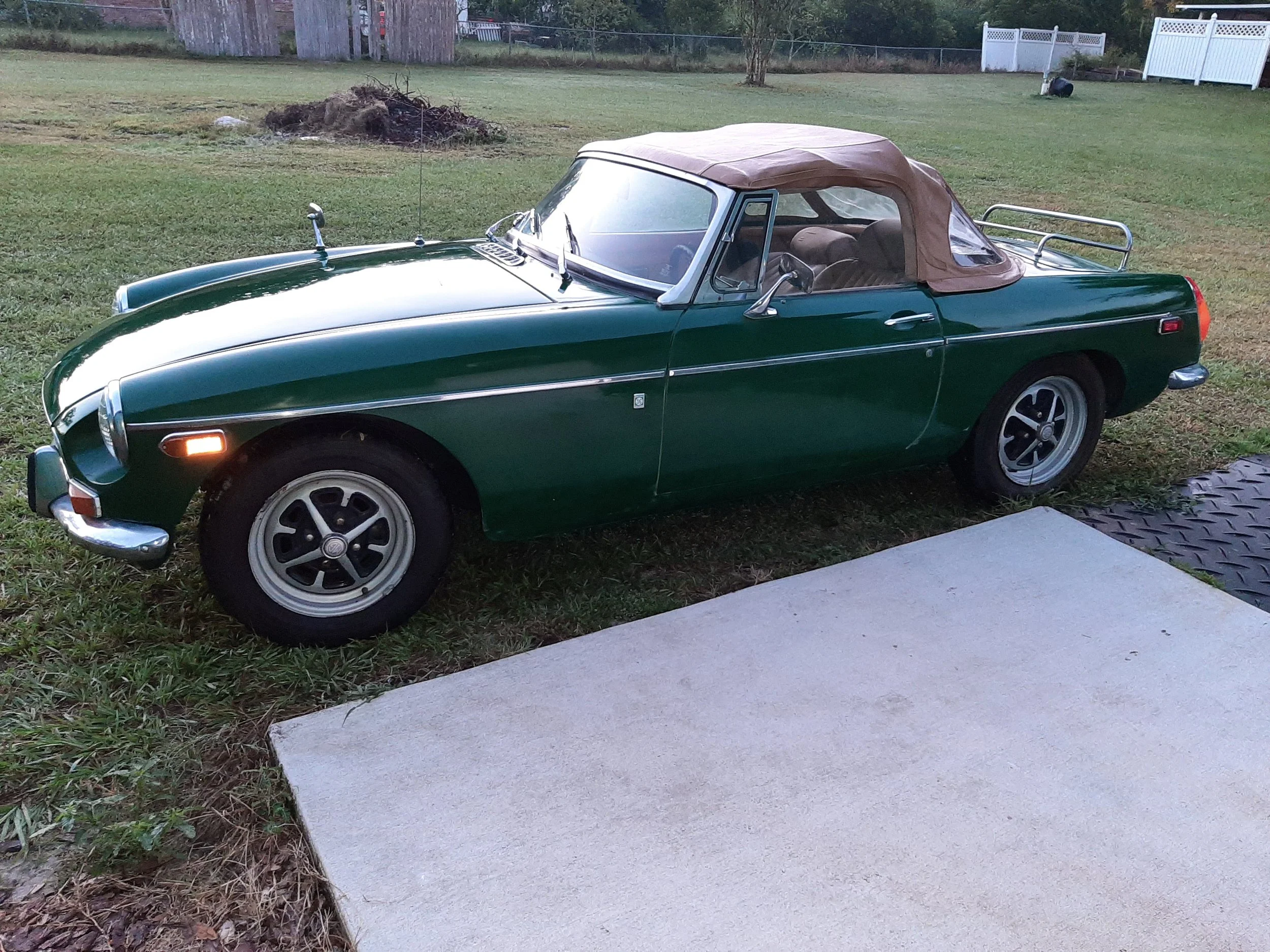
The 1970 split bumper car is sought after by collectors. The MGB formally an entry-level collectible is now moving up in price. So, now is a great time to buy.
We are presently updating this car with maintenance and cosmetic work. Check out the Black Trim package we put on this car. Truly unique. A customer saw it and had to have it. SOLD!
Call for your upgrades Now • (813) 996-1500
Split bumper 1970 MGB w/Fresh Paint and runs great. Classic collectible car.
Fresh Paint - Split Bumper Car. The One Everyone Wants.
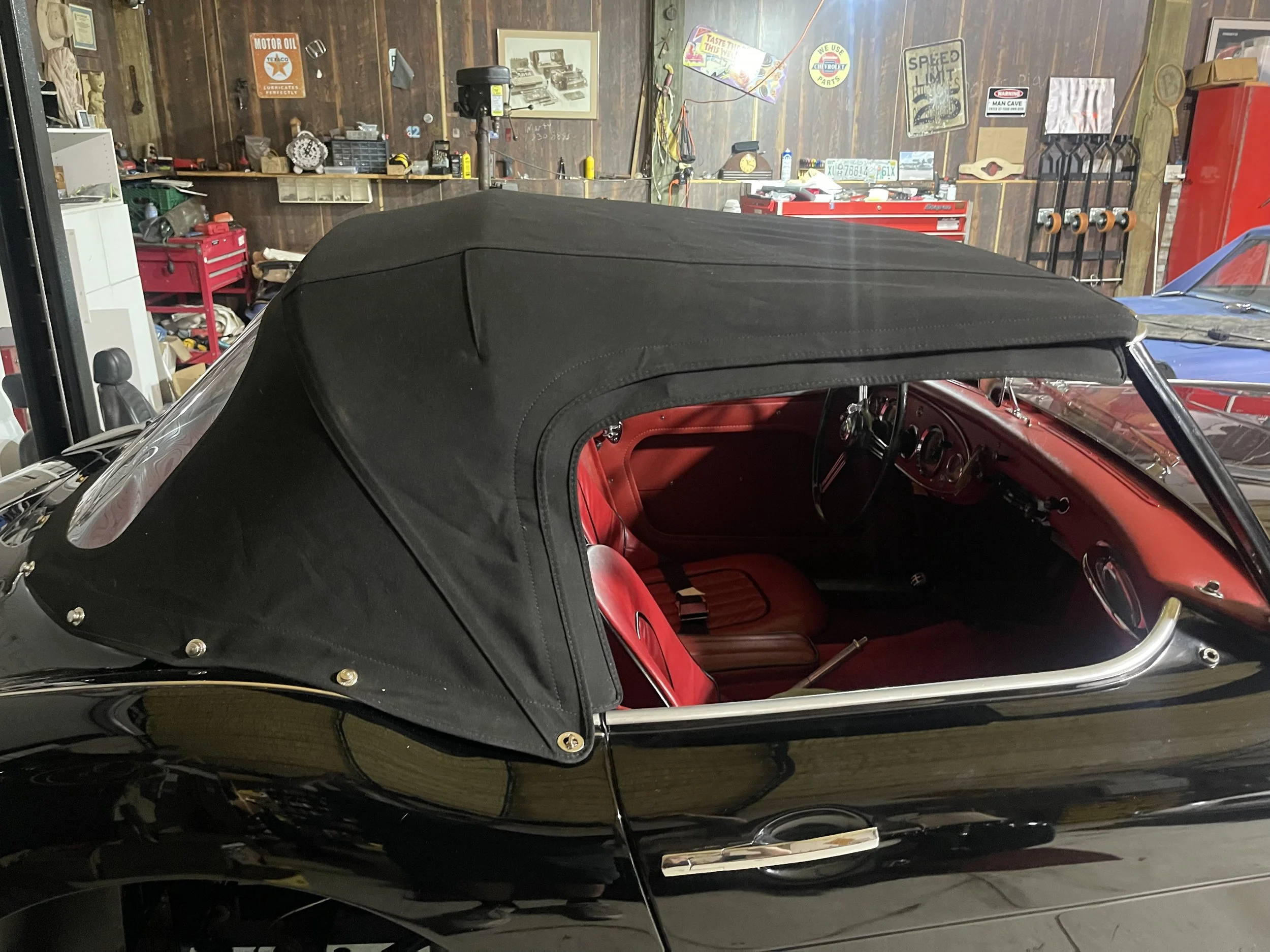
It was a true convertible with almost saloon car comfort, a new wrap-around windscreen, wind-up side windows, swiveling quarter lights and a quick-action folding roof. Twin SU HS6 carburetors replaced the triple SUs (total area 5.3 sq. inches, a 9.25% reduction). Austin-Healey claimed it could exceed 115 mph.
Series Production Car
production years 1961 – 1962
built at Abington, England
price $ $ 3,699
engine Straight-6
position Front, Longitunal
aspiration Natural
ignition Lucas E1 Distributor
block material Cast Iron
valvetrain Pushrod OHV, 2 Valves per Cyl
fuel feed Tripple SU HS4 Carburetors
displacement 2912 cc / 177.7 in³
bore 83.3 mm / 3.28 in
stroke 88.9 mm / 3.5 in
compression 9.03:1
power 98.4 kw / 132 bhp @ 4750 rpm
specific output 45.33 bhp per litre
bhp/weight 122.45 bhp per tonne
torque 226.42 nm / 167.0 ft lbs @ 3000 rpm
body / frame:
Steel Body w/Aluminum Panels over Steel Ladder
driven wheels Front Engine / RWD
front tires 5.9×15
rear tires 5.9×15
front brakes Girling® Discs
rear brakes Drums
r brake size 57.1 x 279.4 mm / 2.25 x 11 in
front wheels F 38.1 x -1.0 cm / 15 x -1.0 in
steering Cam & Peg
f suspension • Double Wishbones w/Coil Springs, Shock Absorber, Stabilizer Bar
r suspension • Solid Axle w/Semi-Elliptic Leaf Springs, Hydraulic Shock Absorbers
curb weight 1078 kg / 2375 lbs
wheelbase 2340 mm / 92.1 in
front track 1240 mm / 48.8 in
rear track 1270 mm / 50.0 in
length 4000 mm / 157.5 in
width 1540 mm / 60.6 in
height 1240 mm / 48.8 in
transmission 4-Speed Manual
tran clutch Single Dry Plate
gear ratios 2.93:1, 2.05:1, 1.31:1, 1.00:1
top speed ~185.1 kph / 115.0 mph
0 – 60 mph ~11.0 seconds
0 – 100 mph ~36.0 seconds
0 – 1/4 mile ~17.0 seconds
Combined fuel economy EU 12 L/100 km or 19.60 MPG-US
S.H. Arnolt Inc. of Chicago and Warsaw, Indiana, sold four different manufacturers cars with Bertone bodies during the period 1953 to 1968.
Stanley H. "Wacky" Arnolt was a Chicago industrialist, who began importing foreign cars in the 1950s to the United States. Though sold as American cars, the cars were true hybrids, with British mechanicals, Italian bodywork, and U.S. sales and distribution, as well as in some cases final assembly and bodywork. S.H. Arnolt Inc. was a licensed automobile manufacturer in the State of Illinois.
A fortuitous meeting with Bertone at the Turin Auto Show in 1952 resulted in four collaborative efforts between Arnolt and Bertone, involving running gear and engines from the British car manufacturers MG, Aston Martin, Bentley, and Bristol. first was the Arnolt-MG, a four-seater Bertone-bodied car based on the MG TD chassis and XPAG 54hp engine. The Arnolt MG was designed by Giovanni Bertone, his son Nuccio, and Giovanni Michelotti. Of a planned production of 200 cars, 103 have been documented as built between 1953 and 1954 (67 coupés and 36 convertibles). Out of this total, the whereabouts of 36 are unknown and three are known to have been scrapped (as of 1993).
The initial price was $3145. In 1954, MG informed Arnolt that it could no longer supply chassis and engines due to demand for its own complete cars (as well as the replacement of the TD by the TF), so Arnolt began looking for a larger-engined car.
(Source: https://en.wikipedia.org/wiki/Arnolt)
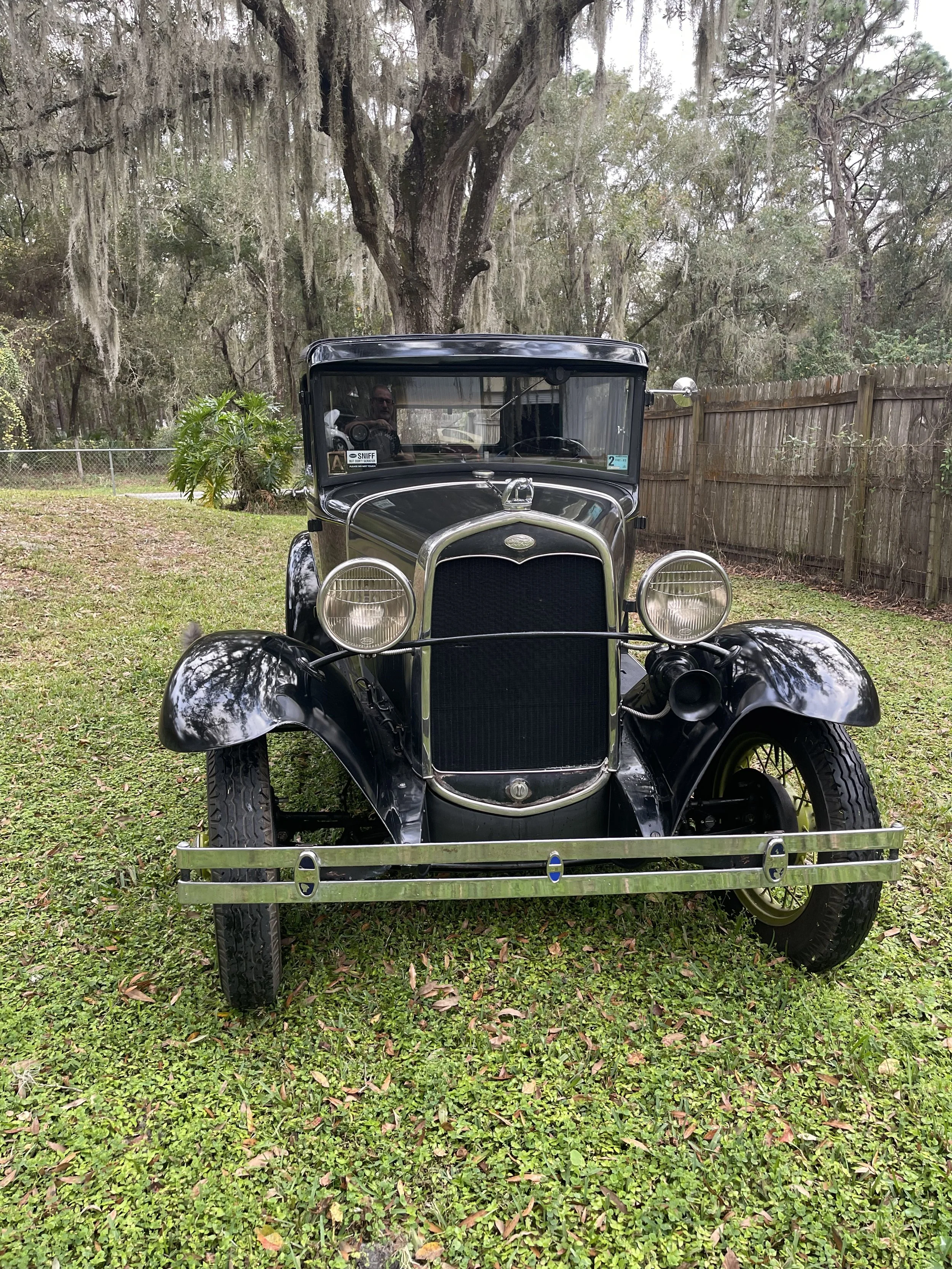
The Ford Model A was the second greatest success for the Ford Motor Company after its more famous forerunner, the Model T.
First sold on December 2, 1927, it replaced the Model T which had been in rolling out of the factory for 18 years. The new Model A was designated a 1928-year model and was available in four colors. By February 1929, one million Model As had been sold, and by July of the same year, two million.
By March 1930, three million Model As were sold in 9 body styles. Model A production ended in March 1932, after 4.8 million had been made in all body styles.
The Model A came in a variety of styles including:
Coupe (Standard and Deluxe)
Business Coupe
Sport Coupe (Standard and Deluxe)
Roadster Coupe
Convertible Cabriolet
Convertible Sedan
Phaeton (Standard and Deluxe)
Tudor Sedan (Standard and Deluxe)
Town Car
Fordor (five-window standard, three-window deluxe)
Victoria
Town Sedan
Station Wagon
Taxicab
Truck
Commercial
The Model A was the first Ford to use the standard set of driver controls with conventional clutch and brake pedals, throttle, and gear shift. Previous Fords used controls that had become uncommon to drivers of other makes and a rear-view mirror was optional! The Model A was also the first car to have safety glass in the windshield.
Seventy years ago my father Ike grew up driving one and wanted to reminisce about driving one again. So, we made it happen with this American Classic. Enjoy the memories Pop.
The founder and the man who conducted the destiny of the Morgan car for nearly fifty years, Henry Fredrick Stanley Morgan was born in the village of Moreton Jeffries, Herefordshire, in August 1881. His father was the Reverend Prebendary H. G. Morgan, Curate at the church in the nearby village of Stoke Lacy (where Henry Morgan, George’s father was Rector). Harry as he was known to family and personal friends (or simply ’H.F.S.’ throughout the industry), was educated at Stone House, a school in Broadstairs, Kent, Marlborough College, Wiltshire, and the School of Practical Engineering at the Crystal Palace in Sydenham, south London. Whilst at Crystal Palace he developed a passion for cycling and then changed his allegiance to the motor car. After a hair-raising first drive in a 3 h.p. Benz that ran away with him down the 1-in-6 gradient of a hill between Bromyard and Hereford, he emerged intact but considerably poorer. Damages to the car cost about £28 for repairs and delayed his ambition of owning his own car.
Time lapse of the Engine Out & In
Copyright© 2026 Sparrow British Auto, Inc - All Rights Reserved
Call Joe: (813) 996-1500